Bentley Wildlife Network
Welcome to our community wildlife mapping project. We are on a mission to build a living, breathing picture of nature conservation across Bentley and our surrounding countryside. By mapping the local area, we can better understand the initiatives already happening right on our doorstep, see where our local wildlife habitats connect, and identify where we can do even more to help nature thrive.
Whether you have planted a native hedgerow, dug a garden pond, put up a swift box, or left a patch of lawn to grow wild for pollinators, your actions are helping to build a vital network for British wildlife.
Click here to open the map in a new tab.
Please note that many of the sites mapped above are on private land or in people’s gardens. This is not an invitation to visit, and public access is not permitted unless the site is a public space. Please respect the privacy of our local residents and landowners by viewing these wonderful initiatives strictly from the digital map.
- Find your spot: Zoom into the map (you can switch to the Satellite View in the top left corner to help find your exact garden or field).
- Drop a pin: Click exactly where your wildlife initiative is located to open the short submission form.
- Tell us about it: Select a category (see Habitat Categories below), share a few brief details about the species you are supporting (e.g., hawthorn, blue tits, wildflowers), provide a rough idea of the scale (e.g., small garden, 6 acre field), and hit submit!
Note: To protect your privacy and keep the map spam-free, your pin will be reviewed by our team before it goes live.
When we map individual actions, we can start to visualise local wildlife corridors. Animals like hedgehogs, bats, and pollinating insects cannot survive in isolated islands of green; they need continuous, connected pathways to travel, feed, and breed safely across the landscape.
By adding your project, you are helping us see the gaps in our local network so we can work together to stitch Bentley’s nature together.
Join in and add your pin today – let’s see how much space we can give back to nature!
Habitat Categories
To help us map different types of conservation efforts, please choose the category from the list below that best matches your project. Here is a guide to what each category covers:
Nesting & Shelter
- What to include: Purpose-built homes for birds, mammals, and insects. This includes swift boxes, bat boxes, owl nest boxes, hedgehog houses, solitary bee hotels, or creating deliberate sandbanks for mining bees and deadwood piles for beetles.
Woodland & Trees
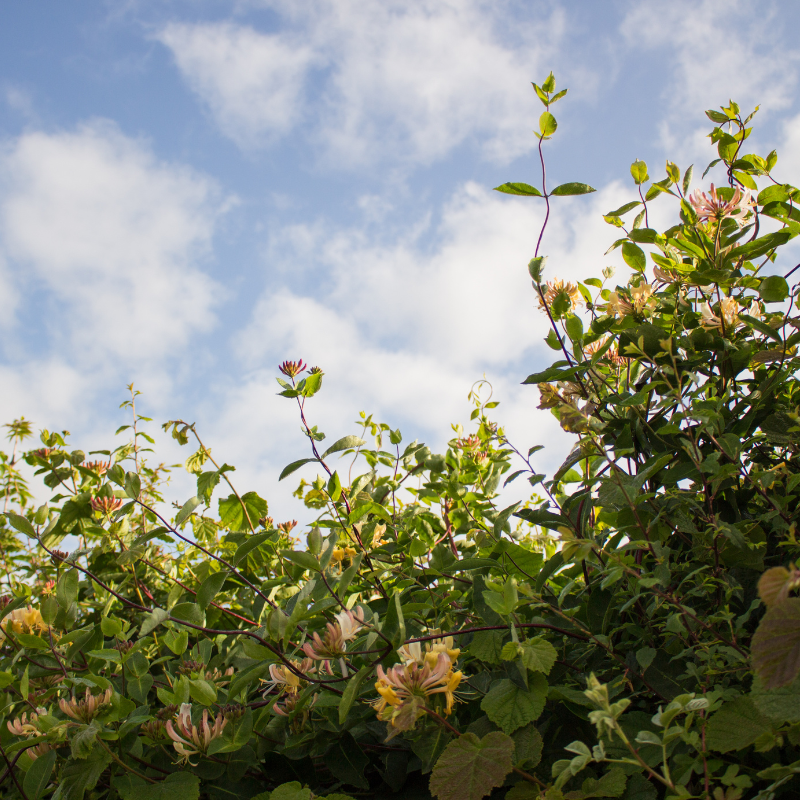
- What to include: Any tree-planting or woodland care, large or small. Include individual native trees planted in a garden, a newly established small copse, orchards, or larger areas of woodland management like traditional coppicing.
Hedges & Boundaries
- What to include: Features that help wildlife move across the landscape or find cover. This includes planting new native hedgerows, restoring or laying old hedges, creating “beetle banks” along field edges, or cutting a Hedgehog Highway gap (13cm x 13cm) in your suburban garden fence.
Ponds & Wetlands
- What to include: Any dynamic water feature that supports aquatic life. This includes small garden wildlife ponds, restored historical field ponds, marshy “scrapes” dug for wading birds, swales, or bog gardens.
Meadows & Flowers
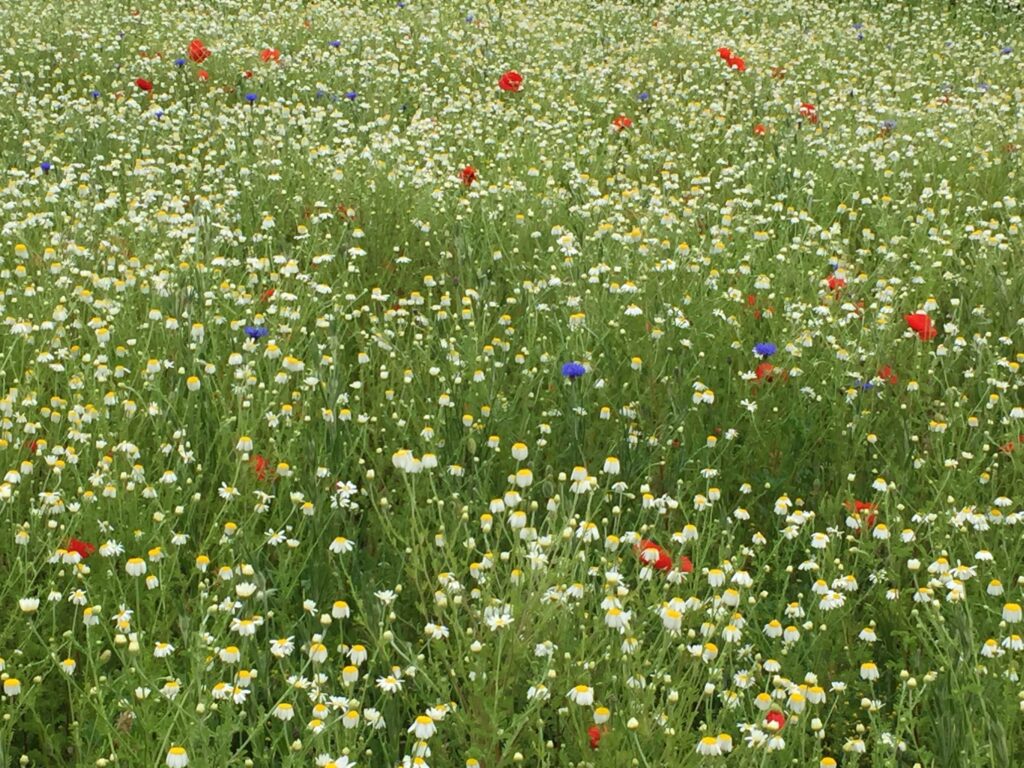
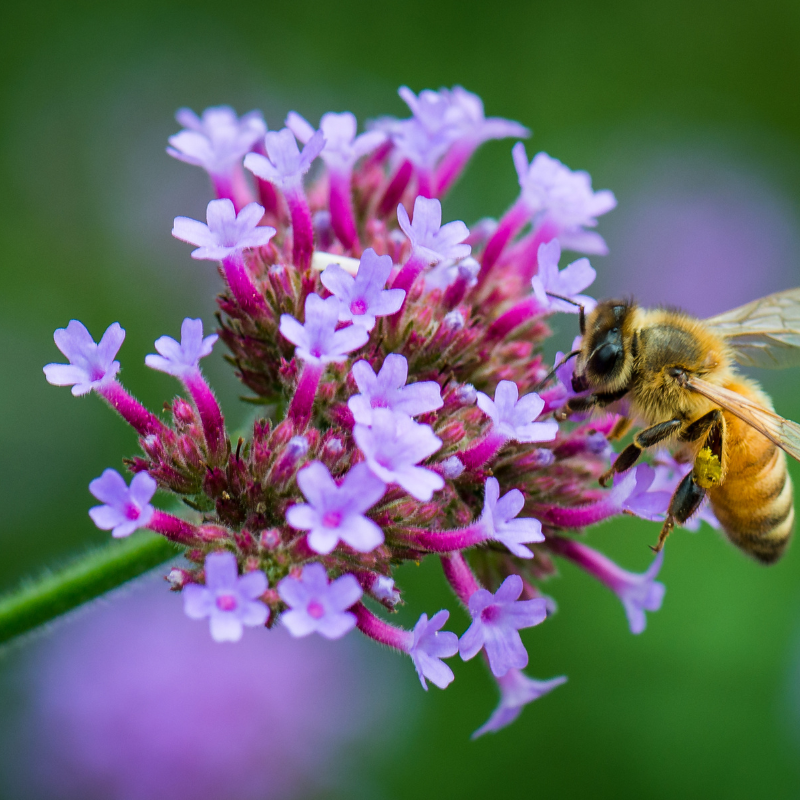
- What to include: Areas dedicated to nectar-rich or seed/berry bearing flora. This covers establishing a full wildflower meadow, planting a dedicated pollinator border in your garden, sowing sunflowers or teasels to provide natural winter seeds for birds, or simply committing to letting a section of lawn grow entirely wild and uncut.
Species Management
- What to include: Direct actions to protect native wildlife or monitor local biodiversity. This includes removing invasive non-native species (like Himalayan Balsam), setting up wildlife trail cameras to record local fauna, or installing wildlife-safe fencing.
Get involved
We would love to hear from people who want to support Bentley Wildlife.
You can get involved by:
- joining the mailing list
- volunteering for working parties and activities
- sharing skills, advice, or practical support
- helping shape the project as it develops
Find out more about how you can get involved in projects like this